
A research centre dedicated to the hands.
Gripnomics Research Centre works on one subject: the human hands. Every study we run, and every person on our team, is dedicated to understanding how hands hold.
Every study. Every team member. One subject: the hands.
Gripnomics Research Centre exists for the hands alone. We read them, scan them, map where they touch a handle and study how they hold. We measure them in many different ways, because we want to understand each pair of hands exactly.
Every hand is its own.
Our research has found that hand contours differ between races and regions, and from person to person. The way each contour is calculated, the handle designed for it and its compatibility with that handle are specific to every pair of hands.
Different hand contours
Race, region and the individual each give hands a contour of their own: the length, the spread, the thumb and the shape of the palm.
A different pattern of calculation
Each contour is calculated with a pattern that belongs to those hands, so we read every hand on its own terms.
A different handle design
The handle is designed from the hands that will hold it, so every person and every population has a design of its own.
A different compatibility
How well a handle works with the hands is specific to each person, and we measure it hand by hand.
Different hands, different handles.
Read across races and regions, and then person by person, the same pattern appears: each set of hands has its own contour, its own pattern of calculation, its own handle design and its own compatibility.
A qualitative summary of what we study. Measured figures are not shown here.
Hand–Handle Compatibility and Hand–Body Biomechanics
Two areas, kept separate on purpose. The first underpins our patented technology. The second is our wider research direction.
Hand–Handle Compatibility
How the shape, thickness and contact surfaces of a handle accommodate the contours of an individual hand.
Hand–Body Biomechanics
How a fitted handle relates to posture, balance and movement across the hand, arm, trunk and legs.
 123
Three balancing centres. One whole body.
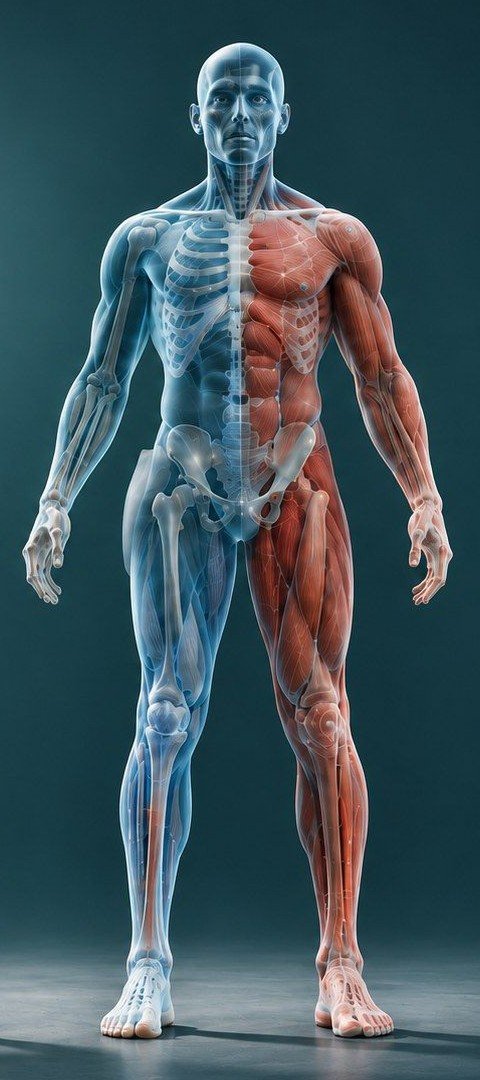
Our advanced study looks at the body as a set of balancing centres, not a single point. We study how a handle that fits the hands relates to each centre, from the whole body to its right and left halves.
Full-body balancing centre
Keeps the whole body balanced as it moves.
Right-half balancing centre
Balances the right side of the body. We study whether it is supported when a right-handed user works with a fitted handle in a one-hand action.
Left-half balancing centre
Balances the left side of the body. We study the same for a left-handed user.
Many studies on these balancing centres have already been completed. Further, more advanced studies are in progress.
What we examine beyond the hands.
Once the hands are understood and the handle is made ergonomic for them, we study how the rest of the body may respond, from the inner ear to the mind. This is the next stage of our research.
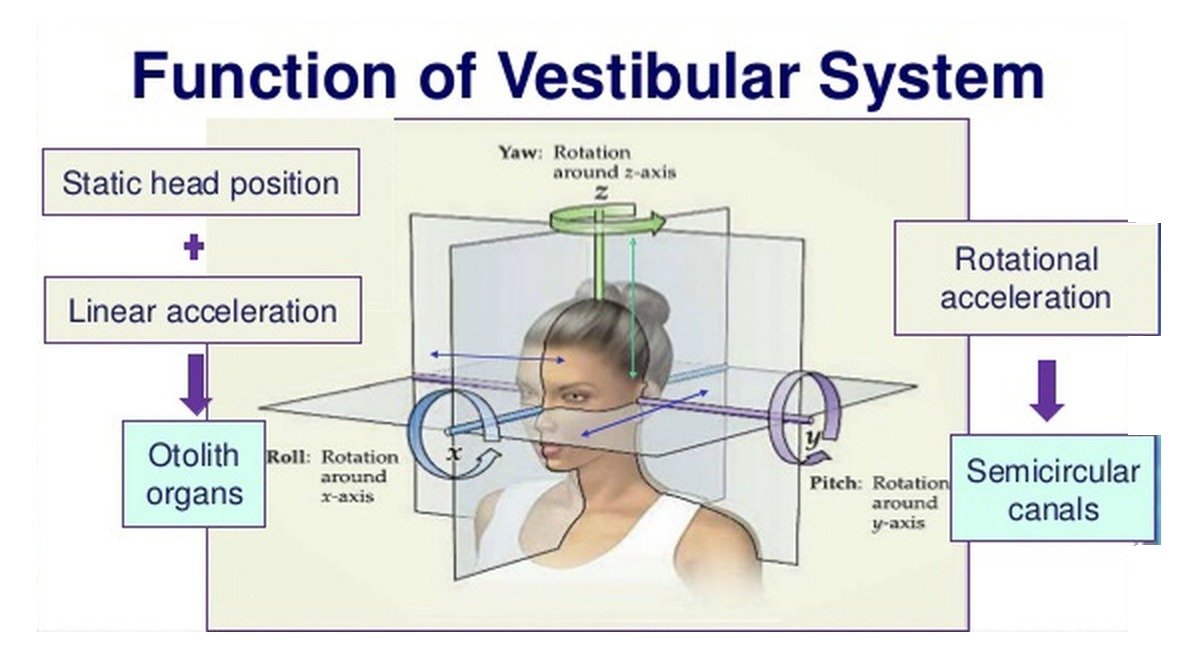
The vestibular system
The vestibular system, in the inner ear, helps the body sense balance and movement. The otolith organs respond to the head’s position and to linear acceleration. The semicircular canals respond to rotational acceleration around the yaw, pitch and roll axes.
We study how an ergonomic hold in the hands connects to it.
Better body balancing
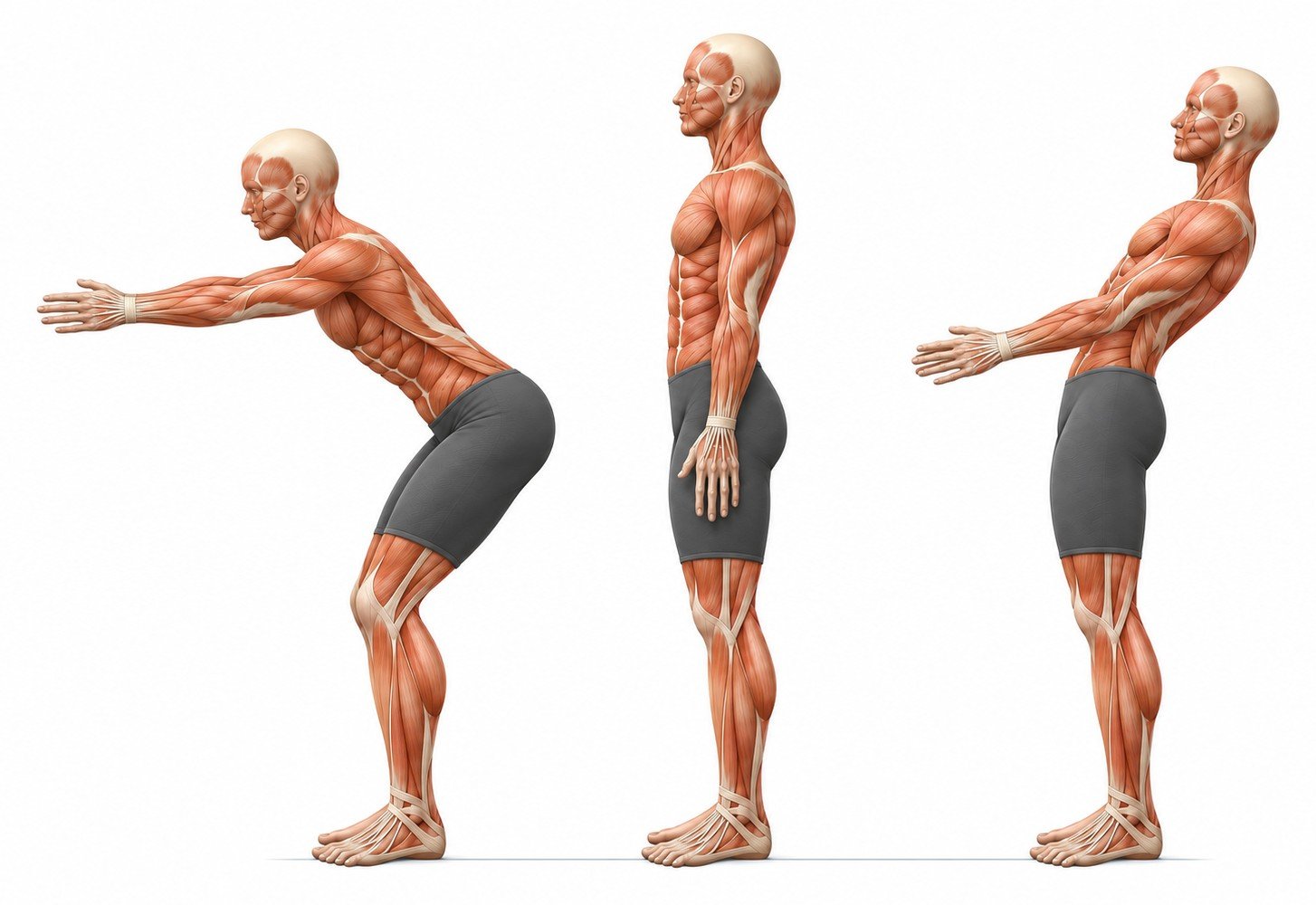
We study whether the body can balance better when the hands hold comfortably. The three balancing centres are shown above.
As the body leans forward, bends or leans back, its weight shifts and it works to stay balanced. We study how a comfortable hold in the hands relates to staying balanced through movements like these.
Optimum performance
A body working at its optimum level may perform better. We study whether this follows from a better hold.
Creativity
A body that is balanced and at ease may free the mind to create. We study whether this follows from a better hold.
A stress-free mind
The hands can hold stress when a handle forces strain. We study whether removing that strain eases the body and the mind.
These are the areas we are studying, not established outcomes. We will share findings as the studies are completed.
Four topics we examine
Hand–Handle Fit
Ergonomic fit begins where the hand meets the handle. We examine how the shape and thickness of a handle accommodate the contours of the palm and the positions of the fingers and thumb as the hand closes. We look at where contact occurs and whether users need to reposition their fingers or thumb to establish a secure grip.
Grip Effort, Pressure & Comfort
A handle that is too thin for a particular hand and task may require the fingers to curl further. A handle that is too thick may limit how far the fingers wrap around it. We examine whether either condition increases the effort needed to maintain a secure grip, where pressure is concentrated, and how users experience comfort and fatigue.
Movement, Posture & Balance
We study how the hand, wrist, arm, trunk and legs coordinate during a task. In cricket, we look at a player’s stance, footwork, weight shift between the feet and balance throughout the swing, and whether differences in handle fit are associated with changes in these movement patterns.
Control & Force Transfer
We examine how hand–handle fit relates to the amount, direction and timing of force applied through the handle. In cricket, we study how these factors relate to the timing and consistency of bat–ball contact. In hand tools, we examine how consistently users can apply and direct force through repeated actions.
Collaborate on the research.
Partner with our researchers to evaluate tools or explore how a fitted handle relates to the balance of the body.
Licensing: licensing@gripnomics.com · General: inquiry@gripnomics.com